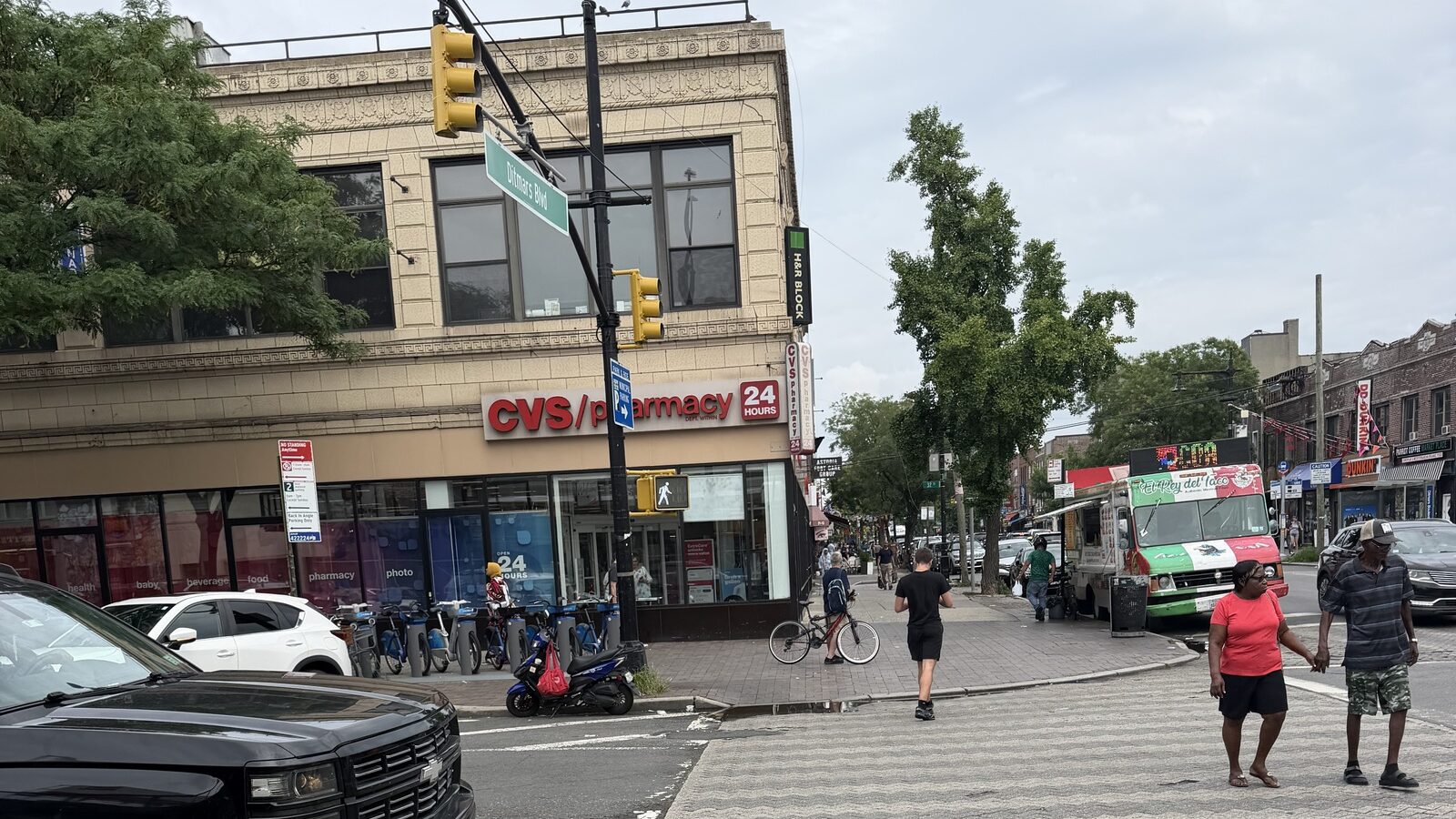
 Save your photo as astoria.jpg in your website folder
Ask a New Yorker about Astoria and they'll mention three things in roughly this order: the food, the trees, and the fact that they almost moved there once and now slightly regret that they didn't.
This northwest pocket of Queens has quietly become one of the city's most livable neighborhoods — close enough to Manhattan to commute, far enough to still have a personality. Here's the honest rundown before you sign a lease.
The vibe
Astoria is the rare neighborhood that gentrified without entirely losing the plot. Walk down 30th Avenue and you'll pass a natural-wine bar that opened last year, a Greek bakery that's been there since the 1960s, a Middle Eastern pastry counter, and a third-wave coffee shop — and all of them have customers. Deep Greek and Italian roots layered with a genuinely global mix make it one of the best eating neighborhoods in the city.
It's greener than you'd expect, too. Astoria Park sits right on the East River with skyline-and-bridge views and the oldest, largest public pool in the city. Add the Museum of the Moving Image, the Noguchi Museum, and Socrates Sculpture Park, and you've got a neighborhood with real culture, not just brunch.
Who it's for
- Practical renters who want a neighborhood that just works — groceries, gyms, laundromats, and bars all within a few blocks.
- Priced-out-of-Brooklyn types looking for neighborhood feel without the Williamsburg markup.
- Young professionals and 30-somethings who move here "for a year or two" and never leave.
The commute
This is one of Astoria's biggest selling points. The N and W lines run through the heart of the neighborhood and reach Midtown Manhattan in roughly 20–35 minutes depending on where you start. The catch: those trains pick up a lot of riders from deeper in Queens, so rush hour can get cozy. And the further east you go, the more you'll rely on buses — so if subway access matters, stay closer to the N/W.
What it costs
Astoria isn't the bargain it was a decade ago, but it's still more reasonable than much of Manhattan or trendy Brooklyn. Figures vary by source, but as of mid-2026 you're looking at roughly:
Typical Monthly Rent
- Studio
- ~$2,200 – $2,950
- 1 Bedroom
- ~$2,600 – $2,950
- 2 Bedroom
- ~$3,600 – $4,600
Housing runs the full range — charming prewar walk-ups and brownstone-lined blocks on one end, shiny new luxury buildings near the waterfront and the Long Island City border on the other.
The honest cons
- Rent is climbing. Astoria's "affordable alternative" reputation has driven prices up several years running.
- Train noise is real. Apartments near the elevated lines get street-and-track noise — visit at different times of day before committing.
- East means bus-dependent. Lovely blocks, but longer trips to the subway.
Thinking about making the move?
Astoria rewards people who actually live in it — and getting here should be the easy part. 365 Move relocates families and first-timers across New York every day of the year.